Missing teeth can affect appearance, chewing, speech, and confidence. Dental implants are one option for replacing missing teeth and are designed to provide stable support for a dental restoration. Understanding the implant process can help patients know what to expect before considering treatment.
What Is a Dental Implant?
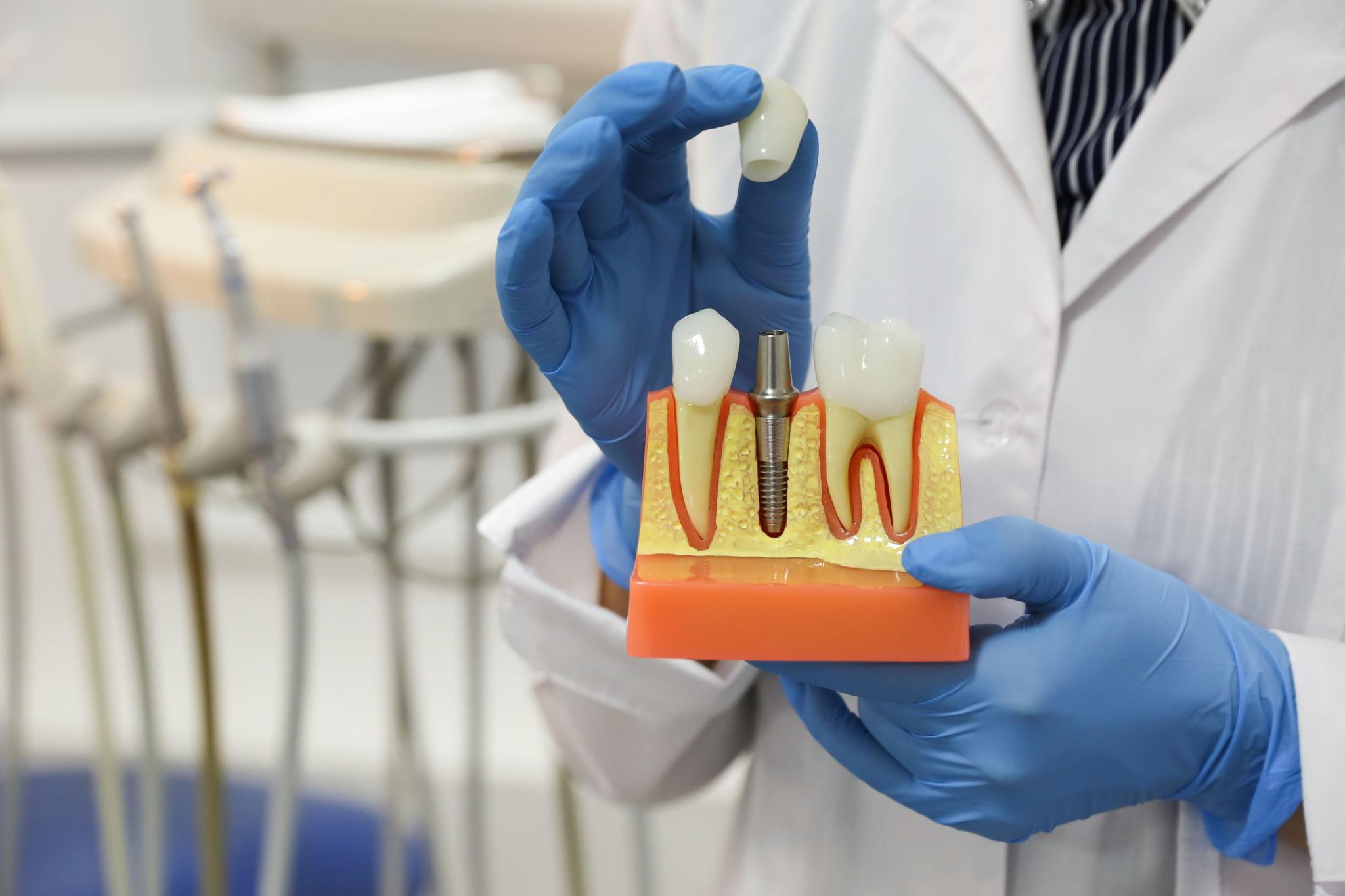
A dental implant is an artificial tooth-root replacement that is surgically positioned within the jawbone. Most modern implants are made from biocompatible materials such as titanium.
After healing, the implant can support a crown, bridge, or other dental restoration depending on the treatment plan.
Main Parts of an Implant Restoration
- Implant: the component placed within the jawbone
- Abutment: the connecting component above the implant
- Crown: the visible restoration designed to resemble a tooth
The Dental Implant Process
Implant treatment usually occurs over several stages. The exact timeline varies depending on the patient's oral health, bone availability, healing response, and treatment complexity.
- Initial consultation and examination
- Dental imaging and treatment planning
- Implant placement
- Healing and osseointegration
- Abutment placement when required
- Final restoration or crown placement
What Is Osseointegration?
Osseointegration describes the biological process in which the surrounding bone forms a stable connection with the implant surface.
This healing process is important because it creates the foundation needed for the implant to support the final restoration.
Potential Benefits of Dental Implants
- Stable support for replacement teeth
- Natural-looking restoration
- Improved ability to chew
- No need to rely solely on neighboring teeth for support
- Can help maintain function in the area of a missing tooth
- Designed as a long-term tooth replacement option
Who May Be a Candidate?
Implant suitability must be evaluated individually. Factors such as gum health, bone availability, medical history, smoking status, medications, and oral hygiene can influence treatment planning.
Dental Tip
An implant consultation and appropriate dental imaging are necessary to determine whether implant treatment is suitable for an individual patient.
Caring for Dental Implants
- Brush carefully every day
- Clean around the implant and between teeth
- Attend regular dental examinations
- Schedule professional cleaning as recommended
- Avoid tobacco use
- Report discomfort or changes around the implant promptly
Final Thoughts
Dental implants can provide a stable and natural-looking option for replacing missing teeth, but successful treatment depends on careful planning, appropriate case selection, healing, and long-term maintenance. A professional implant assessment is the best way to understand your individual options.
Written by
Dr. Emilia Rodriguez
Dr. Emilia Dental Care