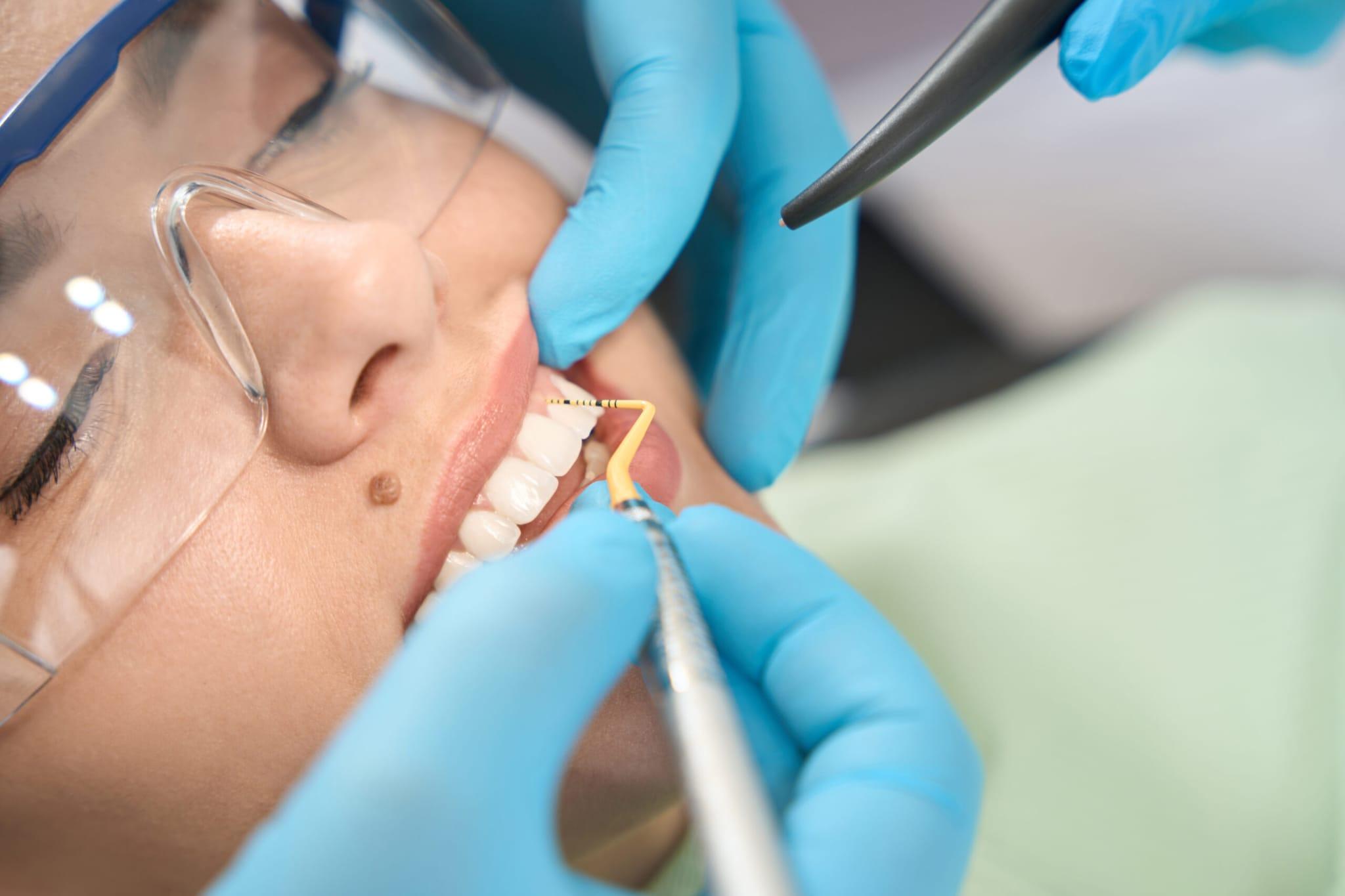
Healthy gums provide the foundation that supports healthy teeth. Gum disease can begin quietly, sometimes with little more than occasional bleeding during brushing. Understanding the warning signs, risk factors, and preventive measures can help protect both your gums and teeth.
What Is Gum Disease?
Gum disease is an inflammatory condition affecting the tissues surrounding and supporting the teeth. It commonly begins when bacterial plaque accumulates around the gum line.
If plaque is not removed effectively, it can harden into tartar and contribute to continued inflammation.
Gingivitis vs. Periodontitis
Gingivitis is the early stage of gum disease and commonly causes redness, swelling, and bleeding. At this stage, the supporting bone around the teeth has not yet been damaged.
Periodontitis is a more advanced form of gum disease. The inflammation extends deeper into the supporting structures and can contribute to gum recession, bone loss, and eventually tooth mobility.
Common Warning Signs
- Bleeding while brushing or flossing
- Red or swollen gums
- Persistent bad breath
- Tender gums
- Receding gums
- Changes in the way teeth fit together
- Loose teeth in advanced cases
What Causes Gum Disease?
Plaque accumulation is a major contributor, but several factors can increase a person's likelihood of developing periodontal problems.
- Inadequate brushing and interdental cleaning
- Smoking and tobacco use
- Certain health conditions
- Some medications
- Genetic susceptibility
- Poor nutrition
- Irregular professional dental care
How Can Gum Disease Be Prevented?
- Brush thoroughly twice every day
- Clean between teeth daily
- Attend regular dental examinations
- Schedule professional cleanings as recommended
- Avoid tobacco products
- Maintain a balanced diet
- Seek dental advice if your gums regularly bleed
Dental Tip
Bleeding gums should not simply be considered normal. Persistent bleeding is a reason to discuss your gum health with a dental professional.
Treatment Options
Treatment depends on the severity of the condition. Early gum inflammation may improve with professional cleaning and better home care.
More advanced periodontal disease may require deeper cleaning procedures and ongoing periodontal maintenance. A dentist or periodontist can determine the appropriate treatment after examining the gums and supporting structures.
Final Thoughts
Gum disease is common, but many cases can be prevented or managed effectively with consistent oral hygiene and professional care. Paying attention to early warning signs gives you the best opportunity to protect your gums, supporting bone, and natural teeth.
Written by
Dr. Priya Sharma
Dr. Emilia Dental Care