Orthodontic treatment is often associated with creating straighter smiles, but alignment can influence much more than appearance. Proper positioning of the teeth and jaws can improve bite function, make oral hygiene easier, and support long-term dental health.
What Is Orthodontic Treatment?
Orthodontics focuses on diagnosing and managing problems involving the alignment of teeth and jaws. Treatment uses controlled forces to gradually move teeth toward planned positions.
Common Orthodontic Problems
- Crowded teeth
- Spacing between teeth
- Overbite
- Underbite
- Crossbite
- Open bite
- Other alignment and bite concerns
Orthodontics Is More Than Appearance
Straightening teeth can improve smile aesthetics, but orthodontic treatment can also make certain areas easier to brush and clean between.
Correcting some bite problems may also improve the way the upper and lower teeth contact during chewing.
- Improved tooth alignment
- Easier oral hygiene in many cases
- Improved bite relationships
- Reduced abnormal wear in selected cases
- Improved smile confidence
Traditional Braces
Traditional braces use brackets attached to the teeth and an orthodontic wire to guide tooth movement. Modern systems are generally smaller and more refined than older designs.
Braces can be used to manage a wide range of orthodontic conditions, including more complex tooth movements.
Clear Aligners
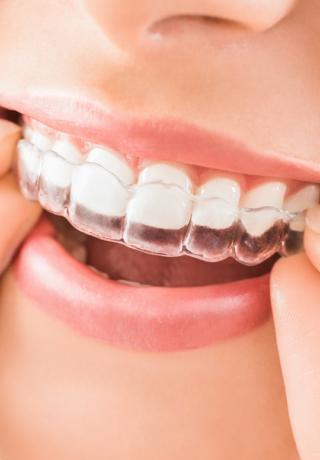
Clear aligners use a sequence of removable trays designed to gradually move the teeth. Their discreet appearance makes them attractive to many adults and teenagers.
Because aligners are removable, patient compliance is important. They generally need to be worn for the recommended number of hours each day to achieve the planned movement.
How Long Does Orthodontic Treatment Take?
Treatment duration varies significantly. Minor alignment may require less time, while more complicated bite corrections can take considerably longer.
Age, treatment complexity, biological response, appliance type, and patient cooperation can all affect the timeline.
Life After Orthodontic Treatment
Finishing active orthodontic treatment is not the end of maintaining alignment. Teeth naturally have a tendency to shift over time.
Retainers are therefore commonly prescribed to help maintain the corrected tooth positions.
Dental Tip
Wearing retainers according to your orthodontist's instructions is an important part of protecting your orthodontic result.
Final Thoughts
Orthodontic treatment can improve alignment, bite function, oral hygiene access, and smile appearance. With options ranging from traditional braces to clear aligners, treatment can be tailored to individual needs after a complete orthodontic assessment.
Written by
Dr. Arjun Mehta
Dr. Emilia Dental Care