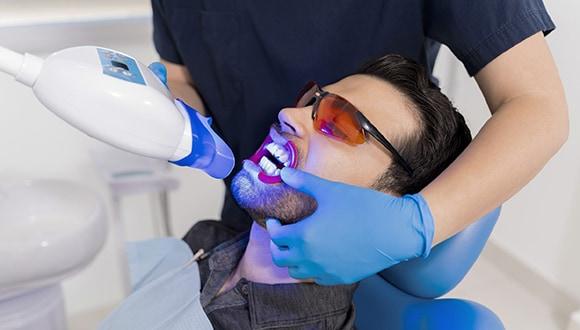
A brighter smile is a common cosmetic dental goal, and there are now many whitening options available. From whitening toothpaste and home remedies to professionally supervised treatments, the choices can be confusing. Understanding how these approaches differ can help you choose an option that is both appropriate and effective.
Why Do Teeth Become Discolored?
Tooth color naturally varies from person to person and can change gradually with age. Everyday foods, drinks, tobacco use, and oral hygiene habits can also contribute to staining.
- Coffee and tea
- Red wine
- Dark-colored foods and beverages
- Tobacco use
- Natural aging
- Certain medications
- Plaque and tartar accumulation
At-Home Whitening Products
Over-the-counter whitening products include toothpastes, strips, gels, and rinses. These products are convenient and may help reduce some surface staining when used according to their instructions.
Results can vary considerably depending on the type of discoloration, product strength, application technique, and consistency of use.
- Convenient for home use
- Generally less expensive
- Usually requires repeated applications
- Results may be more gradual
- May cause temporary sensitivity in some people
What About Natural Whitening Methods?
Various DIY whitening techniques are promoted online, including baking soda mixtures, acidic fruits, charcoal, and oil pulling. Evidence supporting many of these methods is limited.
Some abrasive or acidic substances can also damage enamel when used incorrectly or excessively. A method that makes teeth appear temporarily cleaner is not necessarily safe for long-term use.
Dental Tip
Avoid experimenting with highly acidic or abrasive DIY whitening methods without professional advice, as enamel damage cannot simply be reversed.
Professional Teeth Whitening
Professional whitening is performed or supervised by dental professionals. Before treatment, the dentist can assess the cause of discoloration and determine whether whitening is appropriate.
Professional systems use controlled whitening agents and techniques designed to achieve more predictable results while protecting the surrounding gums and tissues.
- Professional dental assessment
- Controlled application
- More predictable whitening
- Customized treatment options
- Professional management of sensitivity
How Long Do Whitening Results Last?
Whitening is not permanent. How long results remain visible depends on diet, oral hygiene, tobacco use, and other lifestyle habits.
Limiting strongly staining foods and beverages, maintaining good oral hygiene, and attending regular dental cleanings can help preserve the appearance of your smile.
Who Should Talk to a Dentist Before Whitening?
- People with sensitive teeth
- Patients with cavities
- People with gum disease
- Patients with crowns, veneers, or large fillings
- People with significant internal tooth discoloration
Final Thoughts
Home whitening products may be suitable for some mild staining, while professional whitening offers greater supervision and more predictable results. The best approach depends on the condition of your teeth and the cause of discoloration, so a dental assessment is a useful first step.
Written by
Dr. Arjun Mehta
Dr. Emilia Dental Care